


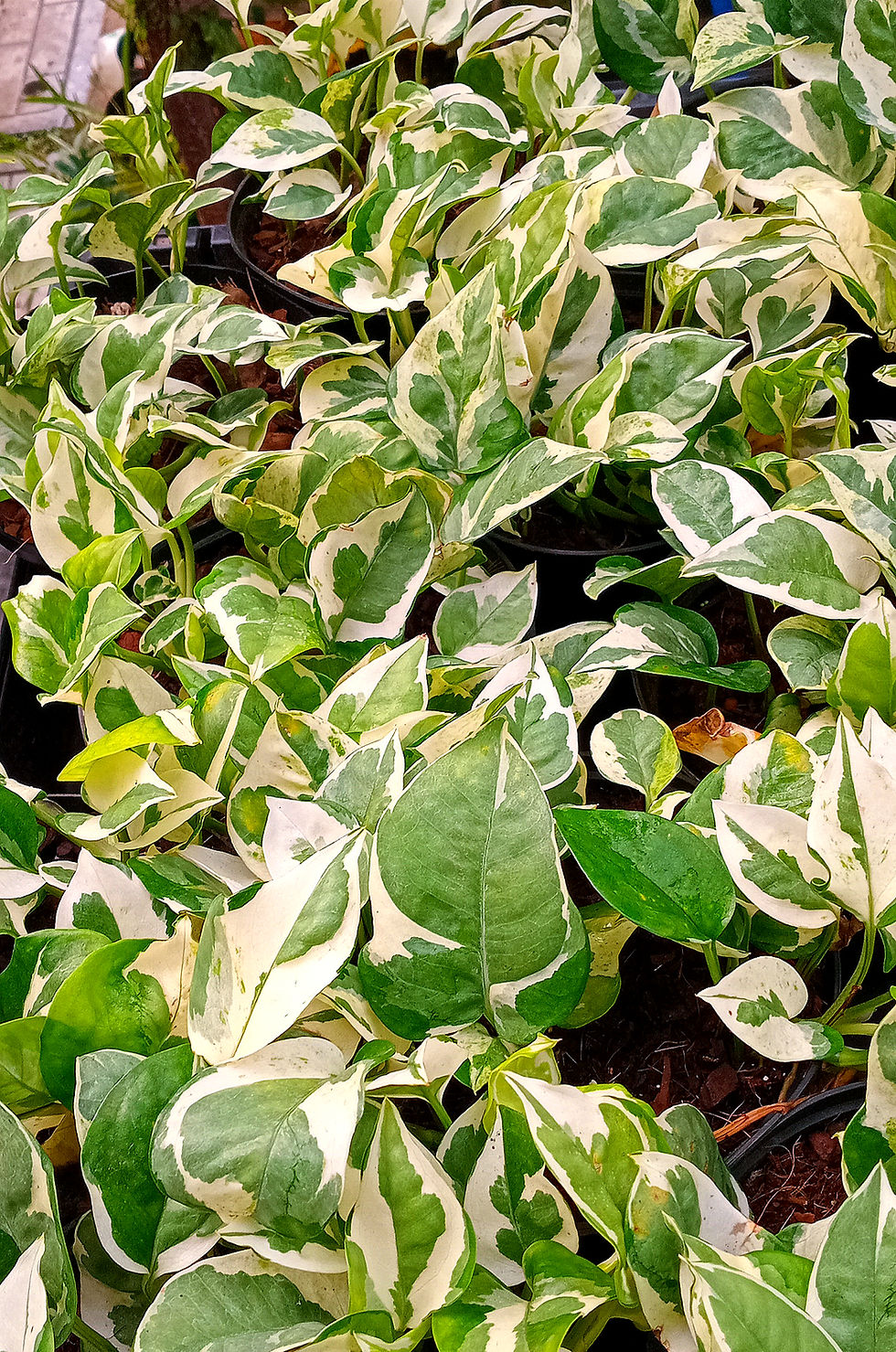


Peperomia caperata — Care Sheet (Emerald Ripple Peperomia)
Plant Name
Common names: Emerald Ripple Peperomia, Peperomia caperata
Scientific name: Peperomia caperata
Overview
Peperomia caperata is a compact, textured plant prized for its deeply corrugated, heart-shaped leaves. Perfect for closed or open terrariums, it adds a tropical, lush touch without taking over. It grows slowly, making it ideal for small displays, and tolerates moderate humidity well — though it thrives in humid, stable environments.
Quick Tips (Success Checklist)
🌿 Thrives in high humidity (terrarium ideal)
🌤️ Bright, indirect light — no direct sun
💧 Keep soil evenly moist, never soggy
🪴 Use a well-draining, light terrarium mix
✂️ Trim dead leaves to encourage new growth
🚫 Avoid overwatering — crown rot is the main risk
Key Features
Size: 10–20 cm tall (compact)
Growth rate: Slow
Growth habit: Low-growing, clumping rosette
Leaf character: Deeply wrinkled, heart-shaped, dark green
Suitable Environments
✅ Closed terrarium (ideal)
✅ Open terrarium / paludarium
✅ Indoor houseplant in a humid spot
⚠️ Dry indoor air: may slow growth and cause leaf curl
🚫 Aquarium / submerged: not suitable
Substrate / Soil
Best option for terrariums: Light, airy, moisture-retentive mix
50% coco peat / peat moss
20% perlite / pumice
20% fine orchid bark
10% compost / worm castings (light amount)
Tip: Avoid dense soils that retain too much water, especially in a closed terrarium.
Light
Ideal: Bright, indirect light
Tolerates: Medium light
Avoid: Direct sunlight (can scorch leaves)
Low light: Survives but growth slows
Temperature
Ideal range: 18–26°C
Absolute low: 15°C (short periods)
Absolute high: 30°C (with good airflow)
Humidity
Minimum: 50%
Ideal: 65–85%
Closed terrariums naturally maintain humidity, making this plant easy to care for.
Watering
Keep substrate lightly moist at all times
Use a spray bottle or watering can with fine flow to avoid disturbing soil
Avoid water pooling at the crown or base of leaves
Feeding / Fertiliser
Feed lightly during active growth (spring/summer)
Botaniqra recommendation:
Botaniqra VegForce (Leaf Boost) — ½ strength every 3–4 weeks
Botaniqra Maintenance (Set & Forget) — small pinch mixed in substrate occasionally
Tip: Terrariums retain nutrients longer, so overfeeding is easy.
Propagation
Leaf cuttings: place a leaf petiole in moist substrate; roots develop in 4–6 weeks
Division: separate offsets during repotting
Common Problems
Wrinkled or curling leaves
➡️ Low humidity or inconsistent watering
Yellowing leaves
➡️ Overwatering or poor drainage
Crown rot
➡️ Water collecting at the base; remove affected leaves and let substrate dry
Pests
Rare in terrariums but can include fungus gnats if soil is overly wet
Buying Advice (What to Expect)
🌱 Perfect for terrarium setups — slow-growing, compact, and hardy under stable, humid conditions.
Leaves may slightly curl after shipping — this is normal
Trim older leaves to encourage new growth
Adjust watering gradually to match your terrarium’s moisture level